From Strait to Street: The Oil Shock Risk Facing Indian Markets
Mar 2, 2026
Advisoralpha
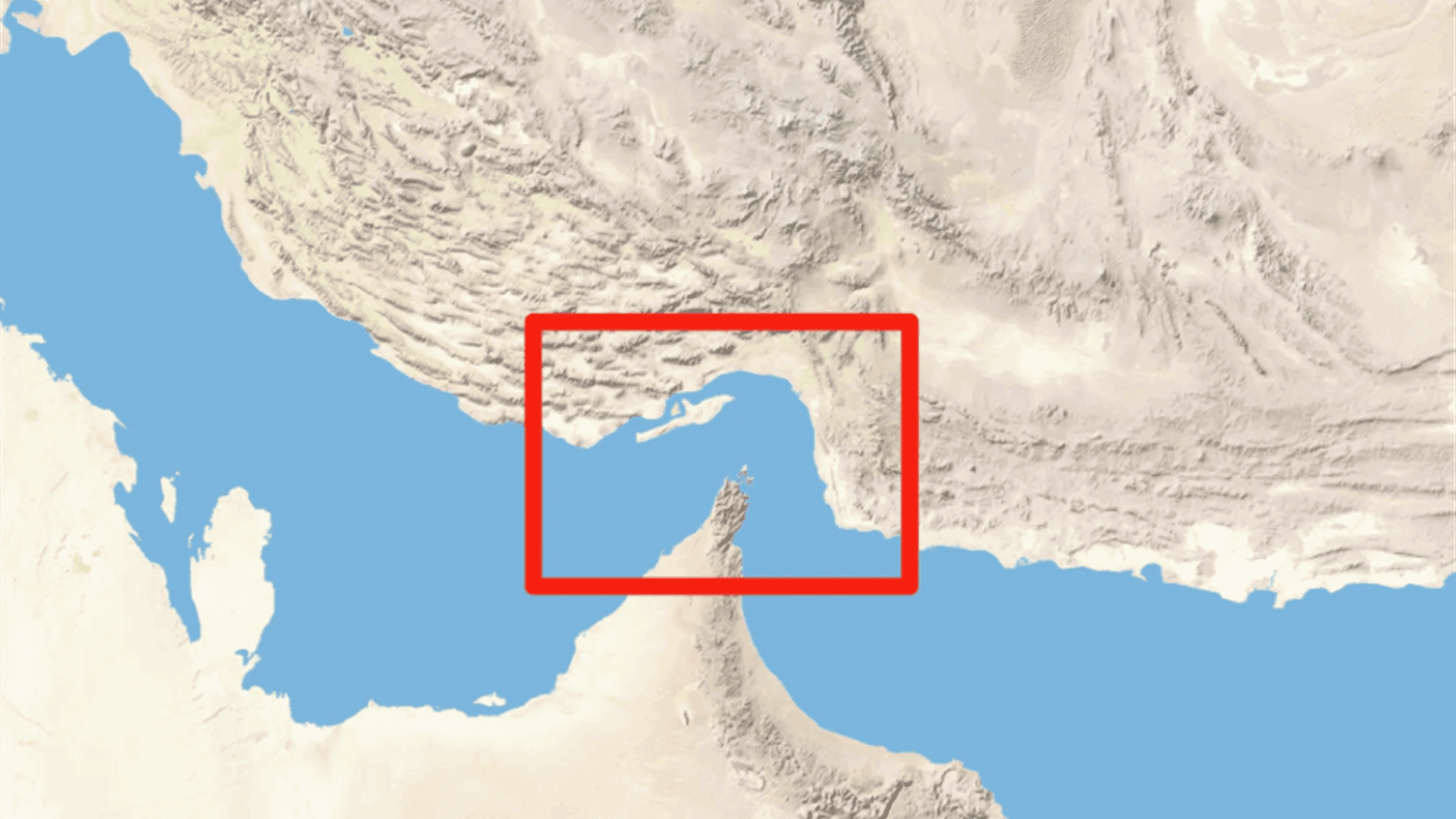
West Asia Conflict Escalates: What It Means for Oil, Markets & Corporate India
Geopolitical tensions in West Asia have intensified after US-backed Israeli strikes on Iran triggered retaliatory attacks on US bases and Gulf nations. A major flashpoint now is the potential disruption of the Strait of Hormuz — the critical artery that carries nearly 20% of global seaborne oil and LNG.
If the conflict sustains longer than last year’s brief “12 Day War,” the implications could be far deeper — especially for Asia and energy-import dependent economies like India.
Let’s break this down clearly — markets, sectors, and macro.
The Immediate Shock: Oil, Gold & Currency
If the conflict escalates meaningfully:
Brent crude could spike to USD 90–95 per barrel
Gold may surge toward USD 6,000 per ounce
USDINR could weaken to 92–92.50
Unlike last year’s short-lived disruption, marine insurers are now reportedly refusing coverage for Hormuz-bound tankers. That is a serious escalation because once insurance stops, physical trade slows sharply — amplifying supply-chain risk.
Asia faces disproportionate exposure, as 80%+ of Hormuz crude flows into Asian markets.
There are early signals of tentative de-escalation via POTUS–Iran talks — but outcomes remain uncertain.
Why This Matters More Than Last Year
History shows that geopolitical shocks hurt markets most when they turn into sustained energy shocks.
In the past 25 years of Middle East crises:
Median Nifty returns were flat at 1 week and 1 month
+17% at 1 year
However, when crises morph into oil shocks (e.g., Arab Spring 2011), Brent rose 20–25% in a month and equity drawdowns deepened.
The closest template is the Russia–Ukraine war — where petcoke and coal prices surged, and cement stocks corrected 20–35% despite no Hormuz disruption.
Macro Impact on India
India’s vulnerability is structural.
Oil & Inflation
Every 10% rise in crude:
Inflation rises by 30–40 bps
Current account deficit widens by ~30 bps
Energy Costs in Corporate India
Energy costs are ~4% of aggregate expenses today (vs 2.5% a decade ago).
Sectoral impact is uneven.
High-risk sectors:
Cement
Glass
Transportation
Margins could compress sharply if energy prices remain elevated.
Sector-by-Sector Impact
1. Oil & Energy
Under Pressure
Downstream refiners:
BPCL
HPCL
Indian Oil Corporation
Higher crude hurts refining margins unless pump prices are adjusted.
Beneficiaries
Upstream players:
ONGC
Oil India
They benefit from higher crude realizations.
2. Aviation & Paints
Rising ATF and petrochemical derivatives directly hit margins.
Aviation: IndiGo
Paints:
Asian Paints
Berger Paints
War-risk premiums may rise due to airspace closures across West Asia, adding to operational strain.
3. Capital Goods & Infra (Middle East Exposure)
Exposure to GCC orderbooks is meaningful:
Larsen & Toubro – ~37% exposure
Voltas
KEC International
Kalpataru Projects International
Order pipelines in Dubai, Abu Dhabi, Kuwait may face delays if tensions prolong.
4. Autos & Tyres
MENA contributes 8–40% of export volumes for select OEMs.
Risks:
Higher freight (1–3% revenue impact)
Crude-linked raw material inflation
Demand slowdown from fuel price shock
Tyre companies are structurally more exposed due to rubber and crude derivatives.
5. Textiles & Exports
If Hormuz shipping is restricted, vessels may reroute via the Cape of Good Hope, adding:
20–25 days transit time
Higher freight costs
Seasonal delivery disruption
For garment exporters working on tight fashion cycles, timing is everything.
6. Gold & Diamonds
India imports 800–850 tonnes of gold annually, with 50–60% routed via Dubai.
Airspace closures in the UAE disrupt:
Gold bar supplies
Rough diamond imports
This directly impacts India’s vast polishing industry and jewellery trade.
Companies like Kalyan Jewellers may face near-term supply scrutiny.
7. Fertilisers & Kharif Risk
The Strait of Hormuz is vital for fertiliser shipments.
Implications:
10% rise in global urea → ~INR 25bn incremental subsidy burden
Phosphatic players partially cushioned via NPK substitution
Kharif production risk if supplies tighten
This is a macro-sensitive development.
8. Defense & Defensive Plays
Historically, defense stocks see interest during global conflict cycles:
Hindustan Aeronautics Limited
Mazagon Dock Shipbuilders
Bharat Electronics Limited
Additionally:
IT & Pharma may act as hedges if INR weakens significantly.
Bigger Picture: Is This a Trading Shock or Structural Shift?
Markets typically:
Sell off sharply on headlines
Stabilize if energy flows normalize
The real risk is duration.
If this turns into:
Sustained oil shock
Insurance freeze on shipping
Airspace and logistics paralysis
Then it becomes an earnings problem — not just sentiment.
If de-escalation holds, the sell-off may resemble past geopolitical corrections: sharp but temporary.
What Investors Should Watch
Brent crude trajectory (USD 85 vs USD 95 is a big difference)
Marine insurance stance on Hormuz tankers
USDINR stability above 90
Government fuel price response
Subsidy burden for fertilisers