Fuel Relief or Just Optics? The Reality Behind Oil Marketing Company (OMC) Losses
Mar 27, 2026
AdvisorAlpha
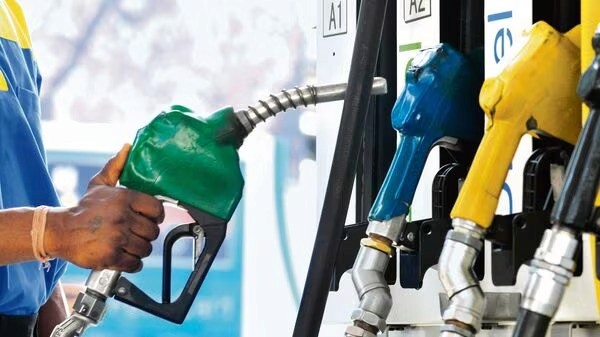
The recent fuel duty cuts by the Government of India have offered a visible sense of relief—but beneath the surface, the financial stress on oil marketing companies (OMCs) is far from over. According to insights from Sagar Research, while the reduction in excise duties has helped narrow marketing losses, it has not been enough to restore overall profitability.
On the surface, the improvement looks meaningful. Diesel marketing losses have declined from ₹29.24 per litre to ₹19.24 per litre, bringing down the cash burn on India’s most widely consumed transport fuel. Petrol, on the other hand, has seen an even sharper turnaround in relative terms, with losses dropping from ₹11.30 per litre to just ₹1.30 per litre—nearly breakeven. This marks a significant shift from the earlier phase where both fuels were deep in loss territory.
However, focusing only on marketing margins paints an incomplete picture. When refining and marketing economics are combined—what the industry refers to as integrated margins—the situation remains concerning. OMCs are still losing money on every litre sold, with integrated margins standing at -₹9.06 per litre for petrol and -₹8.12 per litre for diesel. In simple terms, while the government has reduced the intensity of losses, it hasn’t eliminated them.
Diesel continues to be the biggest challenge. Given its dominant share in India’s fuel consumption, even reduced losses of ₹19.24 per litre translate into substantial financial pressure at scale. This makes diesel the primary contributor to ongoing stress in OMC balance sheets, overshadowing the near-recovery seen in petrol.
At the same time, a new policy development has added another layer of complexity. In a move that surprised the market, the government has reintroduced windfall taxes on fuel exports—₹21.5 per litre on diesel and ₹29.5 per litre on aviation turbine fuel (ATF). This marks a clear reversal from 2024, when such taxes were completely scrapped. The reimposition effectively limits the profitability of private refiners and discourages exports, signaling a strategic shift toward ensuring domestic supply stability amid volatile global energy conditions.
Taken together, these developments create a mixed outlook for the sector. On one hand, the duty cuts have reduced immediate cash flow pressure, with monthly OMC losses from volume shifts moderating to approximately ₹411 crore from ₹722 crore earlier. On the other hand, continued negative integrated margins and renewed export restrictions highlight that structural challenges remain unresolved.
For investors, the takeaway is clear: this is relief, not recovery. OMCs are still highly sensitive to global crude price movements, and government policy continues to play a decisive role in shaping their profitability. The recent measures indicate intent, but not enough scale to fully stabilize the sector.
From an AdvisorAlpha perspective, the current approach reflects a careful balancing act—protecting consumers from sharp price hikes while offering partial support to OMCs. However, until integrated margins turn positive, the sector will remain under pressure, with diesel continuing to drive the bulk of the risk.
Fuel prices may appear stable at the pump, but the underlying economics tell a different story. The real question is no longer whether losses have reduced—but whether they’ve reduced enough to make the business sustainable.