Markets Are Falling. Should You Worry?
Jan 21, 2026
AdvisorAlpha
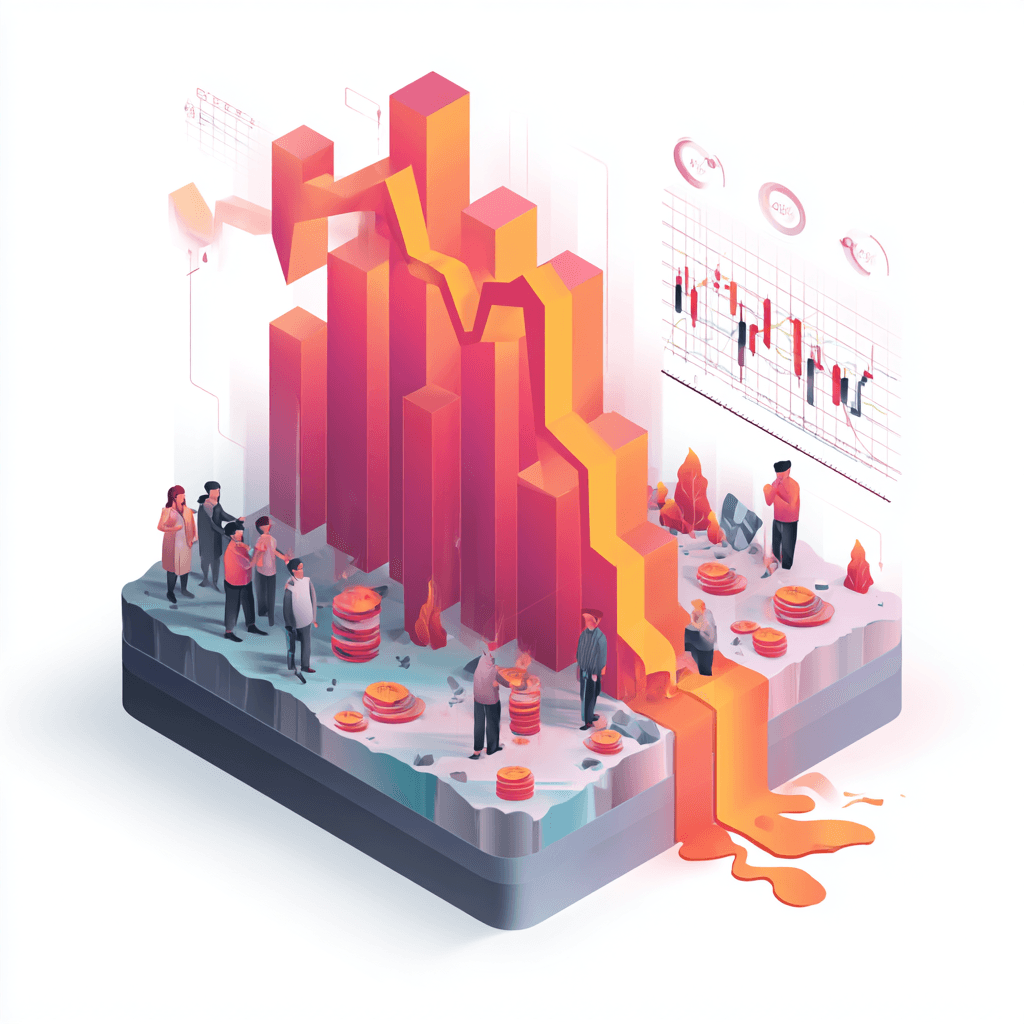
The global equity markets, including India’s benchmark indices, have seen a sharp sell-off in recent sessions. From heightened geopolitical tensions to persistent foreign selling and cautious earnings reactions, sentiment has weakened significantly. Let’s break down the key drivers behind this downturn and more importantly, how long-term thinkers can navigate this environment with clarity.
🔹 1. Geopolitical Risk Has Spiked
The biggest headline driving risk appetite lower is the Greenland standoff, where tensions between the US and key European allies have escalated and sparked fears of renewed trade conflict. U.S. tariff threats tied to this stand-off have not only rattled European markets, but also triggered broader risk-off behaviour across global equities.
Investors hate uncertainty, and when geopolitical risks compound ongoing events like the Russia-Ukraine war, instability in the Middle East, and political upheavals in regions like Venezuela, they naturally seek safer assets. This aligns with gold and silver hitting records as equities came under pressure.
🔹 2. Mixed Corporate Earnings Weigh on Confidence
Back home, India’s marquee companies have reported results that failed to decisively reassure the markets:
IT companies like Infosys, TCS and HCL Tech delivered earnings broadly in line with expectations, with decent growth outlooks that at least checked boxes for stability.
However, heavyweights such as ICICI Bank and Reliance Industries posted results that disappointed relative to estimates.
Mixed earnings, particularly when heavyweights underperform, increase the likelihood that markets will remain cautious, especially when investors are already in a risk-averse frame of mind.
🔹 3. Sustained Foreign Selling Has Amplified Weakness
One of the strongest themes in January 2026 has been continued selling by Foreign Institutional Investors (FIIs). Data shows outsized outflows, with investors pulling billions out of Indian equities in the first half of the month.
When FIIs continue to sell, it pressures broader market valuations and that’s especially impactful when domestic buying doesn’t fully offset offshore exits. This selling can be driven by a mix of global risk aversion, attractive yields in other markets (like U.S. Treasuries), and a weaker Indian rupee hurting foreign-currency-adjusted returns.
🔹 4. Global Markets Are Also Under Strain
The downtrend isn’t isolated to India. Major global indices have turned lower on concerns that trade tensions and geopolitical drama could spark wider economic headwinds. The recent sell-off in Wall Street, sparked by increasing tariff threats, is a vivid example, with major U.S. indices sliding and risk assets broadly repricing.
In times like this, global markets often move in tandem as risk sentiment shifts, especially when investors adopt a “risk off” mindset.
🔹 5. India’s Domestic Calendar Has Investors on Edge
Beyond geopolitics and earnings, domestic events, particularly the upcoming Union Budget, are contributing to caution. Historically, markets tend to trade sideways or even weaken in the weeks leading up to a major policy announcement, as participants price in potential tax changes, fiscal priorities, and macro guidance.
So Should You Panic? Not necessarily.
📌 When There’s Blood on the Street, Long-Term Investors Can Find Opportunity
Volatility is uncomfortable, but for thoughtful, long-term investors, it also creates choicest entry points. Here’s why:
High-quality companies often trade at discounted valuations during sell-offs. This can be a chance to allocate to strong businesses at lower prices.
Dollar-cost averaging helps smooth purchase price and reduces timing risk.
Over multi-year horizons, markets historically reward patience — even if short-term swings feel sharp.
So rather than reacting emotionally, consider building positions gradually. This approach recognises that markets might remain choppy because geopolitical clouds still hang overhead, and domestic catalysts (like earnings momentum and the Budget) could swing sentiment. But choppiness doesn’t erase long-term fundamentals.
Final Thought: Think Beyond the Noise
Market pullbacks, even painful ones are a part of the investing cycle. They test resolve, but they also reinforce discipline.
For long-term investors:
✔ Review your thesis on the stocks or sectors you own.
✔ Consider opportunistic buying in tranches, not all at once.
✔ Maintain perspective: downturns are temporary; ownership of solid businesses and thoughtful portfolios is long-term.