Pakistan Declares Open War on Afghanistan - What's Really Happening
Feb 27, 2026
AdvsiorAlpha
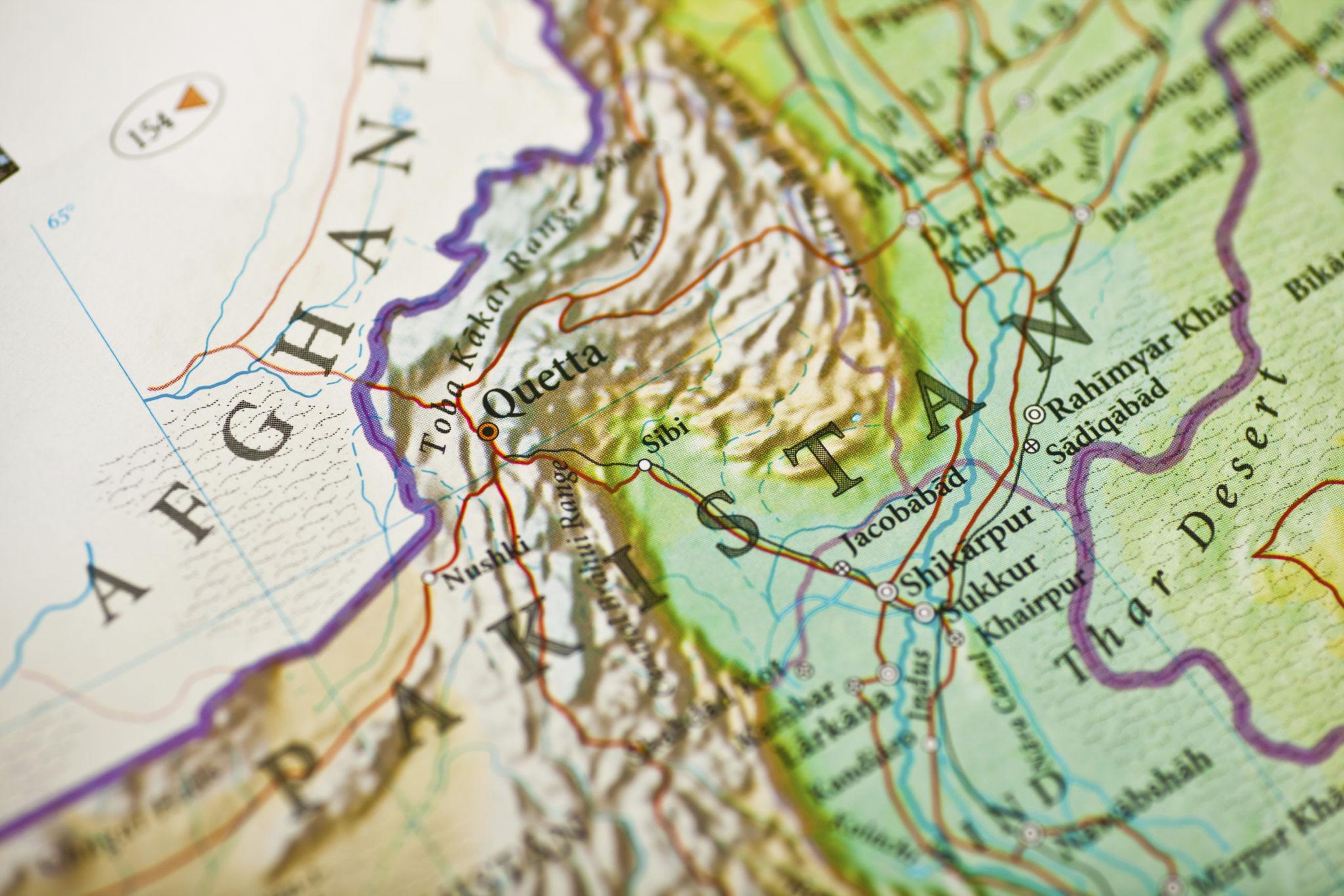
Tensions between Pakistan and Afghanistan have sharply escalated after Pakistani officials described the latest military action as an open war. Airstrikes, artillery exchanges and strong political statements have pushed the relationship between the two neighbours into one of its most serious crises in years.
Here is a clear breakdown of what has happened, what "war" means in this context, and where the India narrative fits in.
What Sparked the Escalation
The conflict did not erupt out of nowhere. Pakistan and Afghanistan have had ongoing clashes along their shared, disputed border (the Durand Line) for years. Skirmishes involving Pakistani forces, Afghan troops, militant groups such as the Tehrik-i-Taliban Pakistan (TTP) and the Islamic State - Khorasan Province (ISKP) have been recurrent, with occasional airstrikes and periodic ceasefire talks.
In February 2026, Pakistan launched a series of airstrikes inside eastern Afghanistan targeting camps it says belong to militants responsible for attacks inside Pakistan. Afghan authorities accused Pakistan of hitting civilian homes and institutions.
After reported Afghan counter-actions, Islamabad escalated further. Pakistan’s Defence Minister Khawaja Asif and other officials used the phrase “open war” on social media, saying patience had run out and framing the situation as a full-on conflict between the two neighbours.
What the "Open War" Label Means
Despite the strong terminology, this is not a formal declaration of war in the classic legal sense there is no treaty obligation invoked or formal declaration in a legislature. Instead, this label reflects:
Escalated military operations, including airstrikes on cities like Kabul, Kandahar, and Paktia.
Cross-border fire and artillery exchanges.
Both sides claiming to have inflicted casualties on each other.
Pakistan has framed this as Operation Ghazab Lil Haq, a large-scale military campaign initiated on 26 February 2026.
Afghanistan’s defence authorities, however, have denied some of the casualty figures Pakistan claims and described some of the strikes as violations of sovereignty.
In short, this is an intense military escalation but not yet a fully codified interstate "war" under international law and treaty frameworks.
What We Know till now?
Pakistan’s official stance (via defence and government statements):
The conflict is now an "open war" following repeated attacks on Pakistani posts.
Pakistan says it struck targets deep inside Afghanistan, including major provincial centers.
Pakistani leadership says its armed forces remain capable of responding to threats.
Afghanistan's response and claims:
Afghan authorities assert their forces launched counter-attacks.
There are contradictory casualty claims from both sides.
Kabul and its defence spokespeople have rejected Pakistan’s justification and decried civilian impacts.
Independent reporting notes:
Explosions and anti-aircraft fire have been reported in Kabul.
Iran has publicly offered to mediate dialogue between Islamabad and Kabul.
All of these are current, confirmed developments not speculative claims.
Why India Is Mentioned in Many Narratives
When people search “Pakistan vs Afghanistan” and see references to India being involved or accused, this context is key:
Political Accusations by Officials: Pakistani officials have at times accused elements within the Afghan government or militant groups of acting as proxies for India. These are political statements, not independently verified strategic alliances.
Historical Rivalry and Narratives: Given longstanding geopolitical competition in South Asia, Pakistani political rhetoric sometimes frames regional tensions in terms of broader rivalries. Independent news reports have noted such claims being part of official Pakistani messages even when there’s no evidence of active Indian military involvement.
Social Media Amplification: Online platforms often magnify political blame narratives, leading to search trends where users query alleged “India conspiracies.” These are largely attribution claims rather than confirmed operational facts.
There is no public evidence in current reporting that India is directing or materially engaging in this Pakistan-Afghanistan conflict beyond being part of broader geopolitical discussion.
In conclusion, the current confrontation between Pakistan and Afghanistan marks one of the most serious escalations between the two in recent years. Airstrikes, cross border exchanges and strong political language have raised the temperature, but the situation remains a contained bilateral military escalation rather than a formally declared international war. Much of the noise surrounding the conflict, especially narratives dragging in India, stems from longstanding regional rivalries and political messaging rather than verified operational involvement. As events continue to unfold, separating confirmed developments from amplified rhetoric will be critical to understanding whether this crisis stabilizes through diplomacy or deepens into a prolonged confrontation.