Green Power Crisis: Discoms Selling Solar Below Cost
Jan 12, 2026
AdvisorAlpha
Summary
India’s green power faces stress as oversupply, weak demand, and low prices hurt discom finances.
What’s happening?
India’s renewable push is hitting a financial stress point.
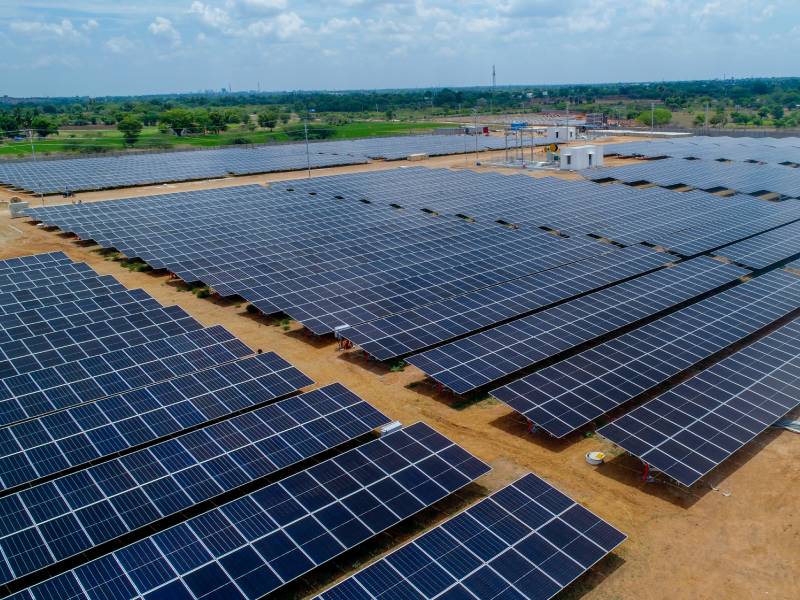
During peak daytime solar hours, state discoms are forced to sell excess green power on exchanges at deep losses due to oversupply, weak demand, and limited storage.
• Exchange prices: ₹0.50–1.67/unit
• Long-term solar PPAs: ₹2–4/unit
• Selling at a loss is better than zero recovery
Why This Is Happening
1️⃣ Oversupply vs Demand
Renewable capacity is growing faster than:
– Electricity demand
– Storage capacity
– Evacuation infrastructure
Solar generation peaks when demand is weakest.
2️⃣ Rigid RPO Mandates
Discoms must buy renewable power regardless of demand.
RPO targets will rise to 43% in 5 years, pushing excess power to exchanges.
3️⃣ Lack of Storage & Flexibility
– Battery Energy Storage Systems are inadequate
– Thermal plants can’t back down efficiently
– Time-of-Day tariffs remain limited
Price & Market Reality
• Short-term power market: ~₹1 trillion
• Annual exchange volume: ~175 bn units
• RTM prices have hit zero on some days
Tariff comparison:
– Plain solar/wind: ₹2–4/unit
– Solar + storage (FDRE): ₹2.9–3.6/unit
– Round-the-clock RE: ~₹5/unit
Rising Stress on Discoms
• Total discom debt: ₹6+ trillion
• Solar: 26% of installed capacity
• Wind: 10.6%
Discoms are stuck between mandatory green buying and weak monetisation of surplus power.
How the Industry Is Responding
• Shift toward FDRE & RTC projects
• Storage-linked tenders gaining momentum
• Focus on grid balancing & demand-side measures
Investor Takeaway
India’s green transition isn’t derailing — it’s maturing.
The shift is from capacity addition to dispatchability, grid economics, and quality of supply.
Expect:
• Slower solar auctions
• More storage-linked tenders
• Policy recalibration, not reversal
Turn insights into informed decisions
Explore research-backed model portfolios and curated stock ideas to make smarter portfolio decisions.
Start Investing